India’s rapid industrial expansion, infrastructure development, and rising electricity demand are placing greater pressure on electrical power systems. As industries increasingly depend on high-capacity transformers for uninterrupted operations, ensuring transformer reliability, efficiency, and safety has become more important than ever.
In this environment, power transformer testing services are evolving from routine maintenance activities into a critical part of asset management. Modern testing techniques help industries identify developing faults, evaluate transformer health, reduce unexpected downtime, and extend equipment service life.
Service providers such as U.K Electric Co. are increasingly supporting industries with testing, diagnostics, oil treatment, and transformer maintenance solutions designed to improve operational reliability. As we move through 2026, technological advancements, predictive maintenance, automation, safety requirements, and sustainability are reshaping how transformers are tested and maintained.
Why Transformer Testing Has Become Critical for Indian Industries
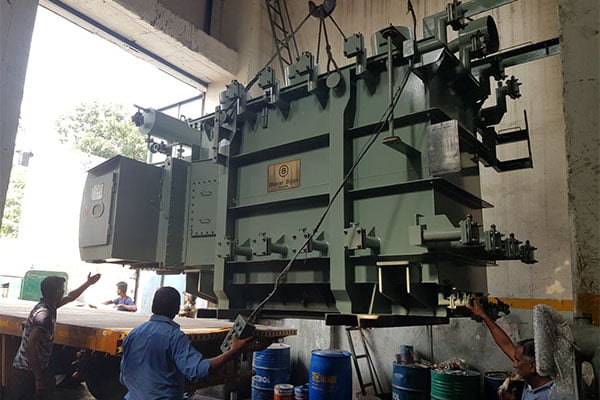
Power transformers are among the most important and expensive assets in industrial electrical infrastructure. A transformer failure can result in production interruptions, equipment damage, costly repairs, and significant operational losses.
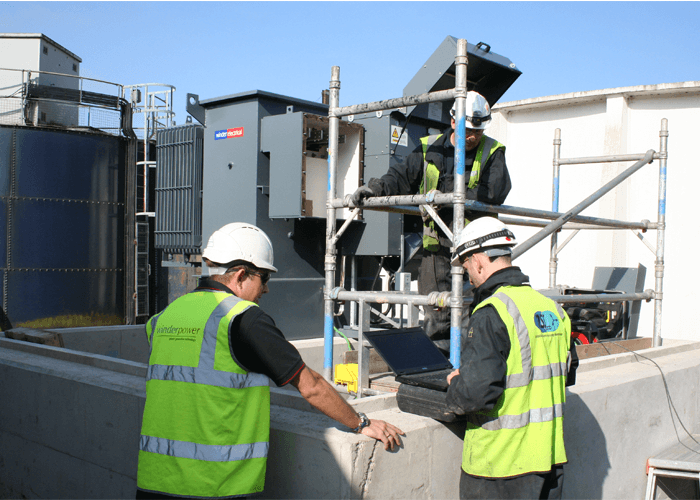
Regular testing provides valuable information about the condition of critical components, including windings, insulation, bushings, transformer oil, and the core. By identifying abnormalities at an early stage, industries can plan corrective maintenance instead of waiting for a major failure.
For industries operating under demanding loads, professional transformer testing can therefore contribute to:
- Improved transformer reliability
- Early detection of electrical and mechanical faults
- Reduced unplanned downtime
- Better insulation performance
- Extended transformer service life
- Improved workplace and electrical safety
- More informed maintenance planning
- Lower long-term maintenance costs
Transformer Oil Management: A Key Part of Transformer Health
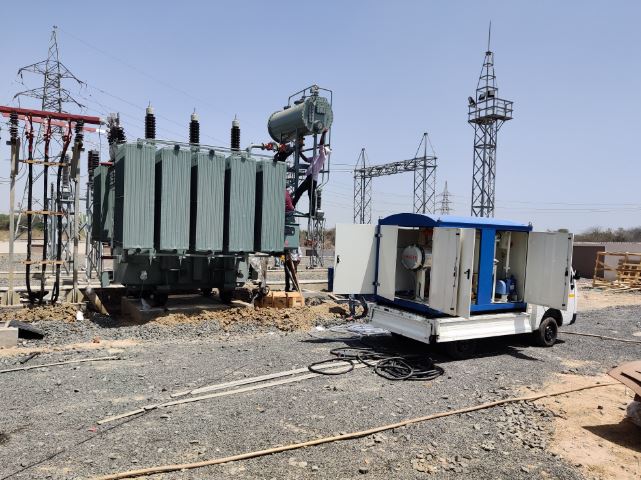
Transformer oil performs two essential functions: it provides electrical insulation and helps dissipate heat generated during operation. However, moisture, dissolved gases, particles, oxidation, and other contaminants can gradually reduce its effectiveness. This has increased the importance of transformer oil filtration services and dehydration services as part of comprehensive transformer maintenance programs.
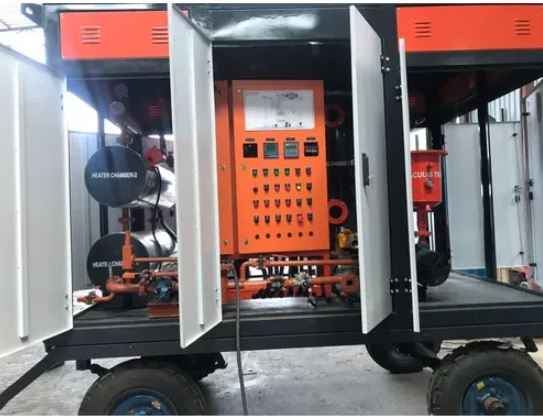
Modern oil treatment solutions can help remove moisture and contaminants while improving the dielectric properties of insulating oil. Oil diagnostics, dissolved gas analysis (DGA), vacuum dehydration, filtration, and purification are increasingly being used to assess and restore transformer oil quality.
Rather than treating oil filtration as an isolated maintenance activity, industries are increasingly incorporating oil condition assessment into broader transformer health-monitoring programs. This integrated approach can help identify potential problems before they develop into serious equipment failures.
Transformer Repair and Refurbishment: Extending Equipment Life
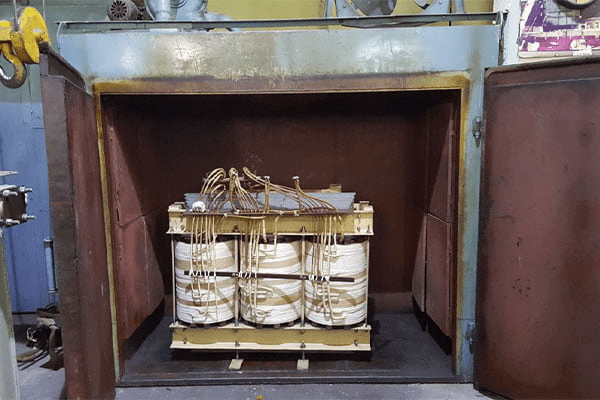
Testing and diagnostics can identify a developing problem, but timely repair is essential to prevent that problem from becoming a major failure. The demand for electrical transformer repair services is growing as industries look for practical ways to extend the operating life of existing transformers. Depending on the condition of the equipment, repair and refurbishment may involve winding-related work, bushing replacement or repair, insulation restoration, core-related maintenance, tightening of connections, and refurbishment of deteriorated components.
For many industrial users, restoring a transformer can be more economical and resource-efficient than immediately replacing an entire unit. Professional testing before and after repair can also help verify equipment condition and performance. This combination of testing, diagnosis, repair, and refurbishment represents an increasingly integrated approach to transformer asset management.
7 Major Transformer Testing Trends to Watch in 2026
The transformer testing industry is becoming increasingly technology-driven. Several important developments are influencing how industries monitor, diagnose, and maintain their transformer assets.
1. The Shift from Preventive to Predictive Maintenance
One of the most significant changes is the movement from traditional scheduled maintenance toward condition-based and predictive maintenance.
Instead of relying only on fixed maintenance intervals, industries are increasingly using diagnostic data to determine when intervention is actually required. Techniques such as thermal imaging, partial discharge assessment, oil analysis, insulation diagnostics, and electrical testing can provide early indicators of transformer deterioration. Predictive maintenance allows maintenance teams to prioritize critical assets, identify emerging problems, and potentially prevent unexpected failures.
2. IoT-Based Transformer Condition Monitoring
The integration of IoT technology is making continuous transformer monitoring increasingly practical. Connected monitoring systems can collect information such as temperature, load, voltage, current, oil-related parameters, and other operating conditions. This information can then be analyzed to identify unusual trends or changes in transformer behavior. For industries operating critical electrical infrastructure, continuous monitoring can complement periodic transformer testing by providing a more comprehensive picture of asset health.
3. Greater Use of Automated Diagnostic Testing
Automation is improving the speed, consistency, and repeatability of transformer testing.
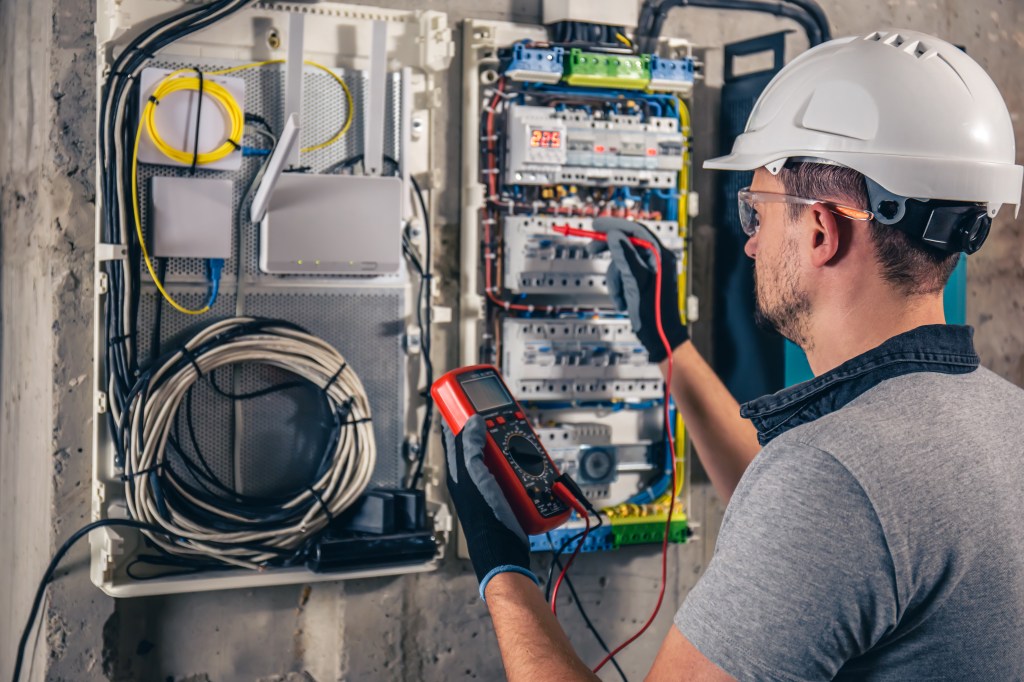
Modern diagnostic equipment can assist technicians in conducting tests such as:
- Transformer turns ratio testing
- Insulation resistance testing
- Winding resistance measurement
- Sweep Frequency Response Analysis (SFRA)
- Tan delta and capacitance testing
- Circuit and connection checks
- Other specialized electrical diagnostics
Automated systems can also simplify data collection and reporting, allowing maintenance teams to compare historical results and identify changes in transformer condition more efficiently.
4. Advanced Data Analysis for Better Maintenance Decisions
Transformer testing is no longer limited to obtaining individual test results. The real value increasingly comes from understanding what those results indicate about long-term equipment health. Digital records, historical test comparisons, condition indicators, and analytical tools can help engineers identify deterioration trends. Combining test results with operating conditions and maintenance history can provide a more complete basis for maintenance decisions.
This shift from testing for measurement to testing for insight is likely to remain an important trend throughout 2026.
5. Increased Focus on Electrical Safety and Compliance
As industrial electrical systems become more complex, safety remains a central consideration. Comprehensive transformer testing programs can include insulation assessment, earthing-related checks, electrical performance tests, and other inspections appropriate to the transformer and operating environment.
Following applicable standards, manufacturer recommendations, and site-specific safety procedures helps organizations maintain safer electrical installations while reducing the risks associated with equipment deterioration.
6. Sustainability in Transformer Maintenance
Sustainability is increasingly influencing industrial maintenance strategies. Extending the service life of existing transformers through appropriate testing, oil purification, repair, and refurbishment can reduce the need for premature equipment replacement. Industries are also showing greater interest in efficient testing processes, responsible handling of used oil, waste reduction, and environmentally conscious maintenance practices. The objective is not simply to maintain transformers for longer, but to manage their entire operational lifecycle more efficiently.
7. Integration of Testing with Complete Transformer Maintenance
Perhaps the most important trend is the move toward integrated transformer care. Industries increasingly prefer service providers that can support multiple stages of transformer maintenance, including:
Testing → Diagnosis → Oil Treatment → Repair → Re-testing → Condition Monitoring
This approach provides a more complete understanding of transformer health and can make maintenance planning more systematic.
Also Read: Distribution Transformer vs Power Transformer: What’s the Real Difference?
How Professional Testing Supports Industrial Power Reliability
For power-intensive industries, transformer reliability directly affects production continuity. A transformer that operates efficiently and safely contributes to a more stable electrical system, while an undetected fault can create significant operational and financial consequences.
Professional testing services can help industries:
- Detect developing faults before failure
- Evaluate the condition of insulation and other critical components
- Monitor changes in transformer performance
- Improve maintenance planning
- Reduce unexpected shutdowns
- Support repair and refurbishment decisions
- Increase the usable life of transformer assets
The effectiveness of these services depends not only on advanced testing equipment but also on qualified technicians, appropriate testing procedures, accurate interpretation of results, and detailed reporting.
Choosing the Right Transformer Testing Service Provider
As transformer diagnostics become more sophisticated, selecting the right service provider is becoming increasingly important.
Industries should consider factors such as:
- Experience with industrial and power transformers
- Availability of modern testing and diagnostic equipment
- Qualified technical personnel
- Comprehensive testing capabilities
- Oil testing and filtration expertise
- Repair and refurbishment capabilities
- Clear test reports and recommendations
- Commitment to safety and applicable standards
- Ability to provide both periodic testing and condition-based support
A service provider capable of combining testing with diagnostics, oil treatment, repair, and maintenance can offer greater value than a provider focused on a single testing procedure.
The Future of Power Transformer Testing in India
India’s growing industrial capacity and expanding electrical infrastructure will continue to increase the demand for dependable transformer assets. At the same time, industries are under growing pressure to improve efficiency, control maintenance costs, minimize downtime, and operate more sustainably.
These requirements are driving transformer testing toward a more digital, predictive, automated, and condition-based model. In 2026, the role of testing is therefore extending beyond simply determining whether a transformer is functioning correctly. Modern transformer testing is increasingly about understanding asset condition, predicting potential problems, supporting timely intervention, and maximizing equipment reliability throughout its lifecycle.
Conclusion
Power transformer testing has become an essential component of reliable industrial power management in India. With rising electrical demand and increasingly critical transformer assets, industries cannot afford to rely solely on reactive maintenance. The growing adoption of predictive diagnostics, IoT monitoring, automated testing, advanced data analysis, improved safety practices, sustainable maintenance, and integrated repair solutions is creating a more proactive approach to transformer management.
Companies such as U.K Electric Co. can play an important role in this evolving landscape by providing comprehensive solutions covering transformer testing, oil filtration, diagnostics, and repair. For industries seeking greater reliability in 2026 and beyond, investing in professional power transformer testing services is not simply a maintenance decision—it is a strategic step toward safer operations, reduced downtime, longer equipment life, and more dependable power infrastructure.